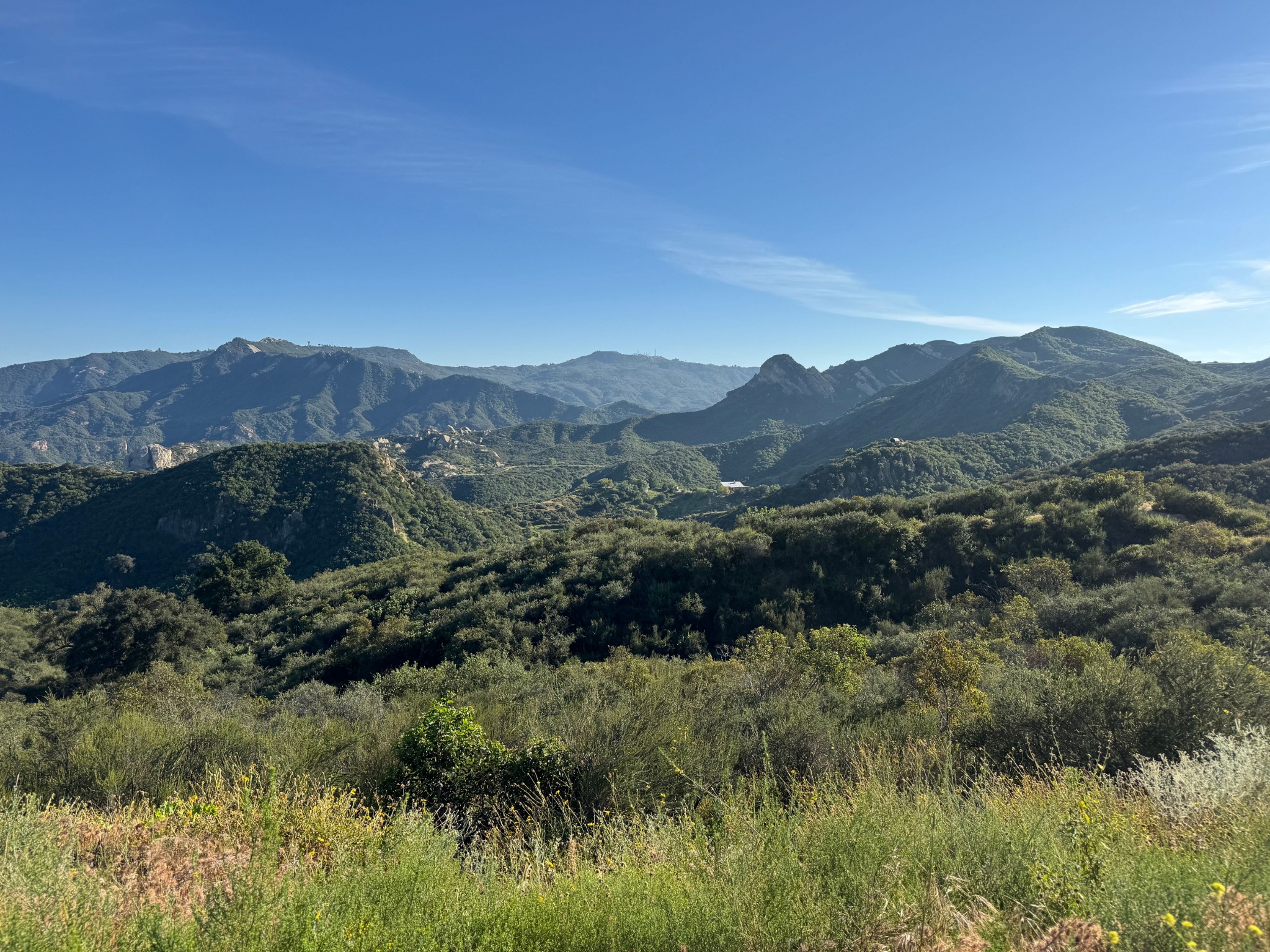
A hillside home can offer privacy, light, views, and a wonderful connection to the surrounding landscape. It can also raise questions that a standard home tour won’t answer. The useful starting point is not whether hillside properties are good or bad. It is understanding the conditions of the specific property before making a commitment.
Begin with the actual site, not the neighborhood’s reputation
Properties on the same street can differ in slope, drainage, grading, retaining walls, construction history, and prior repairs. A broad neighborhood description or hazard map can identify questions worth investigating, but it is not a substitute for a qualified, property-specific assessment.
Ask for available reports and permits, review the disclosures, and consider whether a geotechnical engineer, engineering geologist, structural engineer, or other relevant specialist should evaluate the conditions.
Investigate slopes, drainage, and retaining walls
Look for visible indications that warrant further professional investigation, such as unusual cracking, settlement, leaning retaining structures, repeated water intrusion, erosion, or changes to a drainage path. Some problems are not apparent during a showing, so the absence of visible symptoms is not proof of stability.
Questions to ask may include:
- How is stormwater directed away from the structure and toward approved drainage?
- Are there retaining walls, engineered slopes, or previous grading work, and what records exist?
- Have there been previous slope repairs, drainage corrections, or geotechnical evaluations?
- Who is responsible for maintaining shared slopes, drains, walls, or easements?
- Would a specialist’s inspection materially clarify an issue before a buyer removes an applicable contingency?
Use hazard maps as screening tools
The California Geological Survey offers EQ Zapp, which identifies mapped earthquake fault, liquefaction, and earthquake-induced landslide hazard zones. These maps are useful for screening, but a mapped designation does not predict the condition of an individual house, and some areas have not yet been evaluated.
The Survey also maintains landslide information and mapping resources. Map information should be considered alongside site history, applicable disclosures, and qualified professional review.
Ask about wildfire conditions and insurance early
In hillside and foothill communities, a property’s fire-related characteristics and access to insurance deserve attention before the transaction is far along. CAL FIRE provides official Fire Hazard Severity Zone resources. A fire-hazard zone describes conditions related to fire behavior; it does not by itself determine an insurer’s decision or the actual cost of coverage.
Obtain current, property-specific insurance quotations and compare coverage terms. The California Department of Insurance provides a homeowners insurance comparison tool, while noting that hypothetical premiums are not substitutes for quotes for the actual property.
Review the records and practical consequences
A useful evaluation may involve building and grading permits, inspection reports, prior engineering documents, easements, HOA or shared-maintenance obligations, insurance availability, and anticipated maintenance costs. The exact documents worth requesting depend on the property.
Financing, appraisal, insurance, inspection findings, and the timing of contractual contingencies may interact. A buyer should discuss these questions with the appropriate professionals before making binding decisions.
Match each question to a record and a qualified professional
These are useful lines of inquiry—not a diagnosis of any particular hillside home. Ask what records exist, who prepared them, and whether their scope and age are relevant to the current condition.
- Slope, grading, or past movement: Ask for grading permits, available geotechnical reports, repair history, and disclosures. When warranted, consult a geotechnical engineer or engineering geologist about the actual site.
- Retaining walls, settlement, or cracking: Review permits, inspection documents, and any engineering assessments. A structural engineer or other appropriately qualified specialist can advise on the relevant scope of evaluation.
- Drainage and shared responsibilities: Review drainage plans, maintenance history, easements, and HOA documents when applicable. Clarify who maintains each drain, wall, slope, and access route.
- Wildfire and insurability: Check official hazard resources, then request current, property-specific insurance quotations and written coverage terms. A hazard-zone designation cannot establish an available policy or premium.
An order of operations for a hillside purchase
- Before making an offer: Identify visible concerns and early questions about access, insurance, and records; discuss investigation and contingency terms with your agent and appropriate advisers.
- During due diligence: Review disclosures, permits, relevant reports and inspections, and insurance quotations. If the findings raise questions, assess whether qualified specialist follow-up is necessary.
- Before any applicable contingency deadline: Understand unresolved questions, financial exposure, insurance and lender conditions, and contractual consequences. Discuss extensions or other options with appropriate professionals where necessary.
The point is not to treat every hillside property as a problem. It is to match the investigation to the evidence, the property’s history, and the buyer’s priorities. See Buyer Services and Local Guidance for related guidance.
A decision framework
- Identify what is known, what remains uncertain, and which documents could help.
- Separate ordinary maintenance from issues that require specialized evaluation.
- Obtain qualified opinions or estimates before assuming the cost of repairs.
- Clarify insurance and financing early enough to affect the decision.
- Make the final decision based on the property, the contract, the budget, and your own tolerance for risk.
Frequently asked questions
Does a hazard map tell me whether a hillside home is safe?
No single map can establish the safety or condition of a particular structure. Maps identify mapped hazards and areas for further investigation; specialized property-level analysis may be needed.
Do all hillside homes require a geotechnical inspection?
The appropriate investigation depends on the site’s characteristics, construction, available reports, visible conditions, and disclosures. Ask a qualified professional to help determine the scope when slope-related questions arise.
When should I investigate insurance?
Early in the buying process, preferably before you must make a consequential contractual decision. Availability, coverage, premiums, and lender requirements can be property-specific.
Local guidance, individual property
Lisa Jackson represents buyers in Calabasas, Malibu, Topanga, Agoura Hills, Westlake Village, Thousand Oaks, and surrounding Southern California communities. For a conversation about a particular property and the questions worth asking, contact hello@lisajacksonre.com.
This article provides general educational information, not an engineering, geological, structural, insurance, legal, or financing opinion. Obtain current property-specific guidance from appropriately qualified professionals before making consequential decisions.